Eliminating barriers to hygiene in public washrooms
Every day, people around the world face visible and invisible barriers to washroom hygiene – due to a range of individual abilities, needs and circumstances.
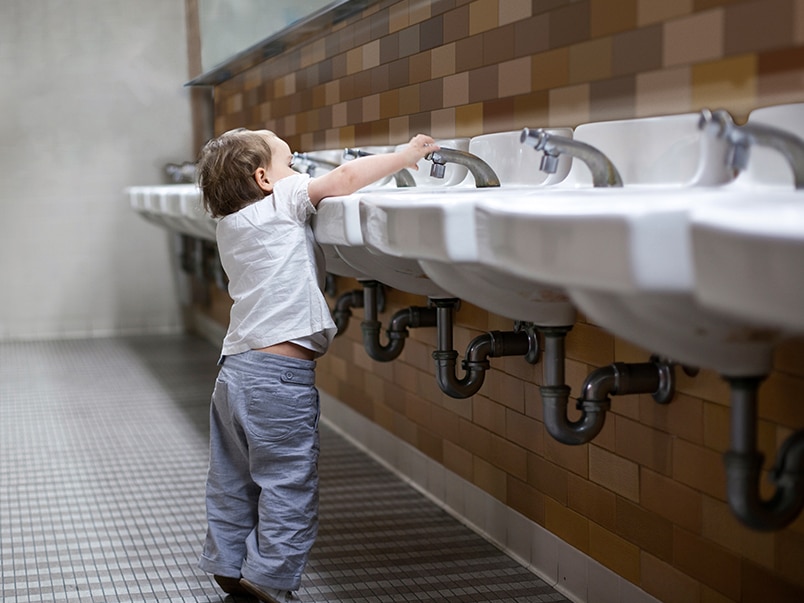
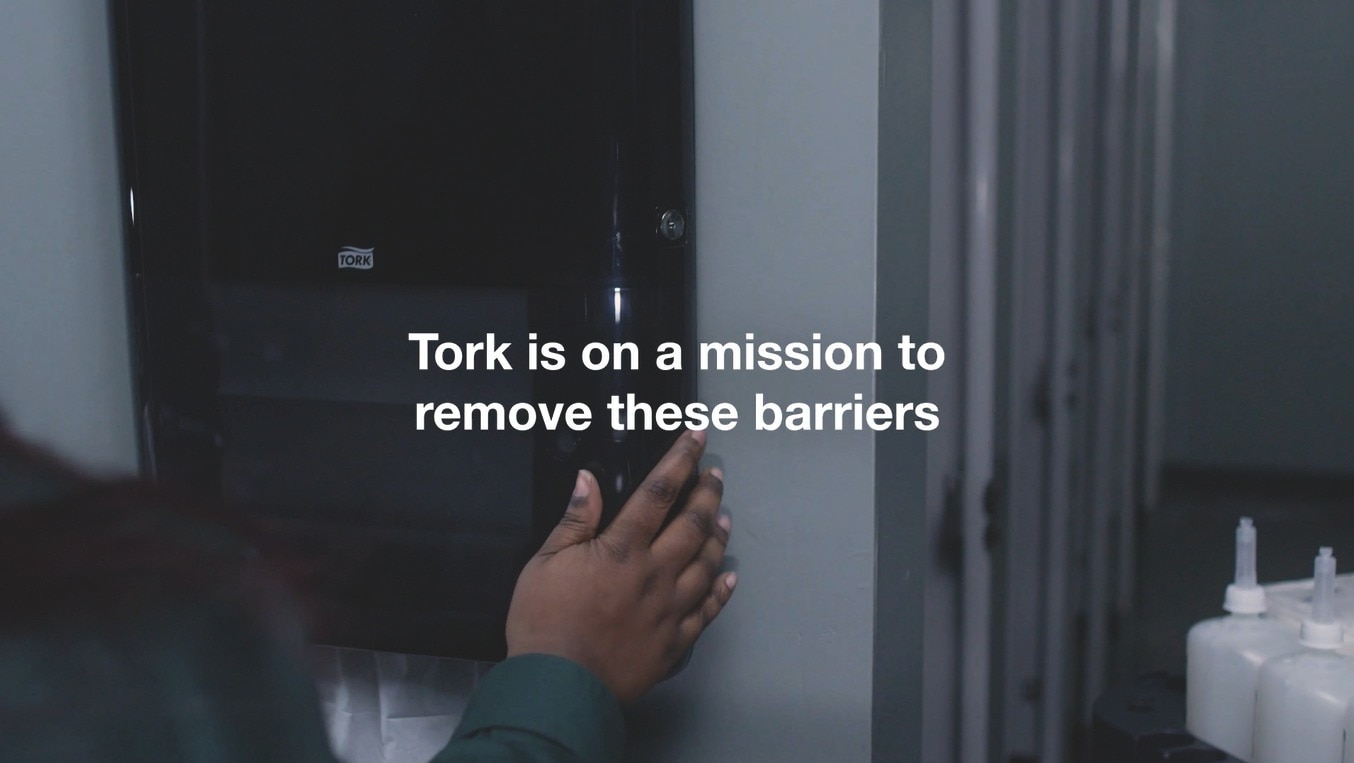
Individual abilities, needs or circumstances
Throughout our lives, many of us at some point face barriers to hygiene when visiting public washrooms. Nearly 1 in 2 people are likely to face barriers in the public washroom.¹ The problem is, it’s only the people who face the barriers that are aware of them.
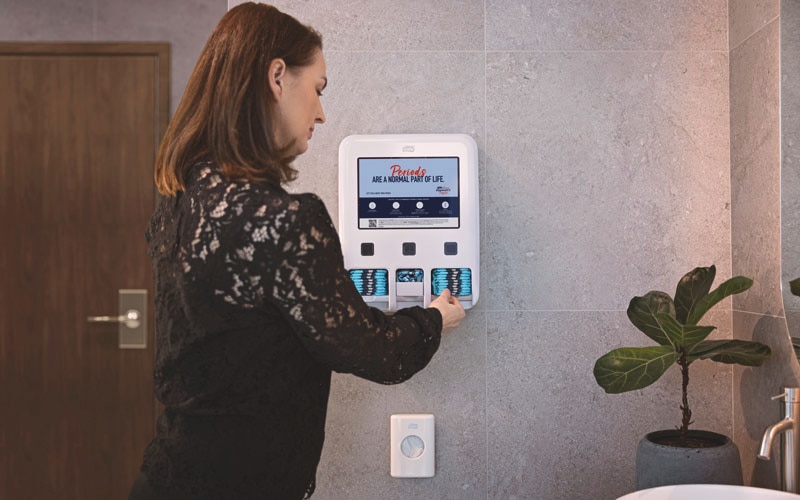
Period care impacts
87% of women+ have gotten their period unexpectedly at work and 76% have experienced not having period care products available at work when needed.4
Washroom guide
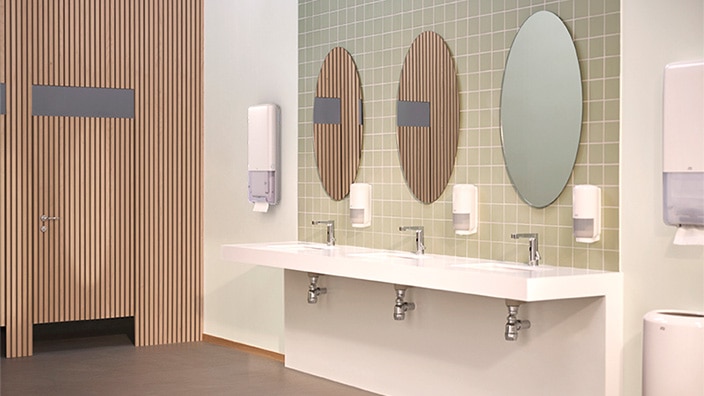
Reimagining your public washrooms – a practical guide
Discover how to create an improved public washroom experience with our practical guide focused on people, planet and efficiency.
Tork makes hygiene easy for everyone
Tork has a long history in designing for all. In 2010, Tork received the first Easy to use certification, followed by Tork Easy Handling® for its packaging design. In late 2024, Tork received the world’s first certification for meeting Design for All standard EN17161.2
Create a more inclusive washroom experience for all
Contact us to get started
References
- Tork Insight Survey 2025, conducted in the US, UK, Germany, France, Mexico, Canada, Australia, Spain, Sweden, Netherlands and Poland among 11,500 people from the general public and 1,000 cleaning staff. 54% of respondents reported experiencing barriers, including, but not limited to, physical conditions or self-diagnosed conditions, e.g. eczema, chronic pain, general anxiety, claustrophobia.
- Design for All is a development process that considers diverse user needs to encourage and promote accessibility of products and services by as many people as possible.
- According to ISO 16128, including water.
- Libra workplace impact survey 2024, N-01,011 Australian women.
- https://www.skinhealthhubs.com/archives/5716